
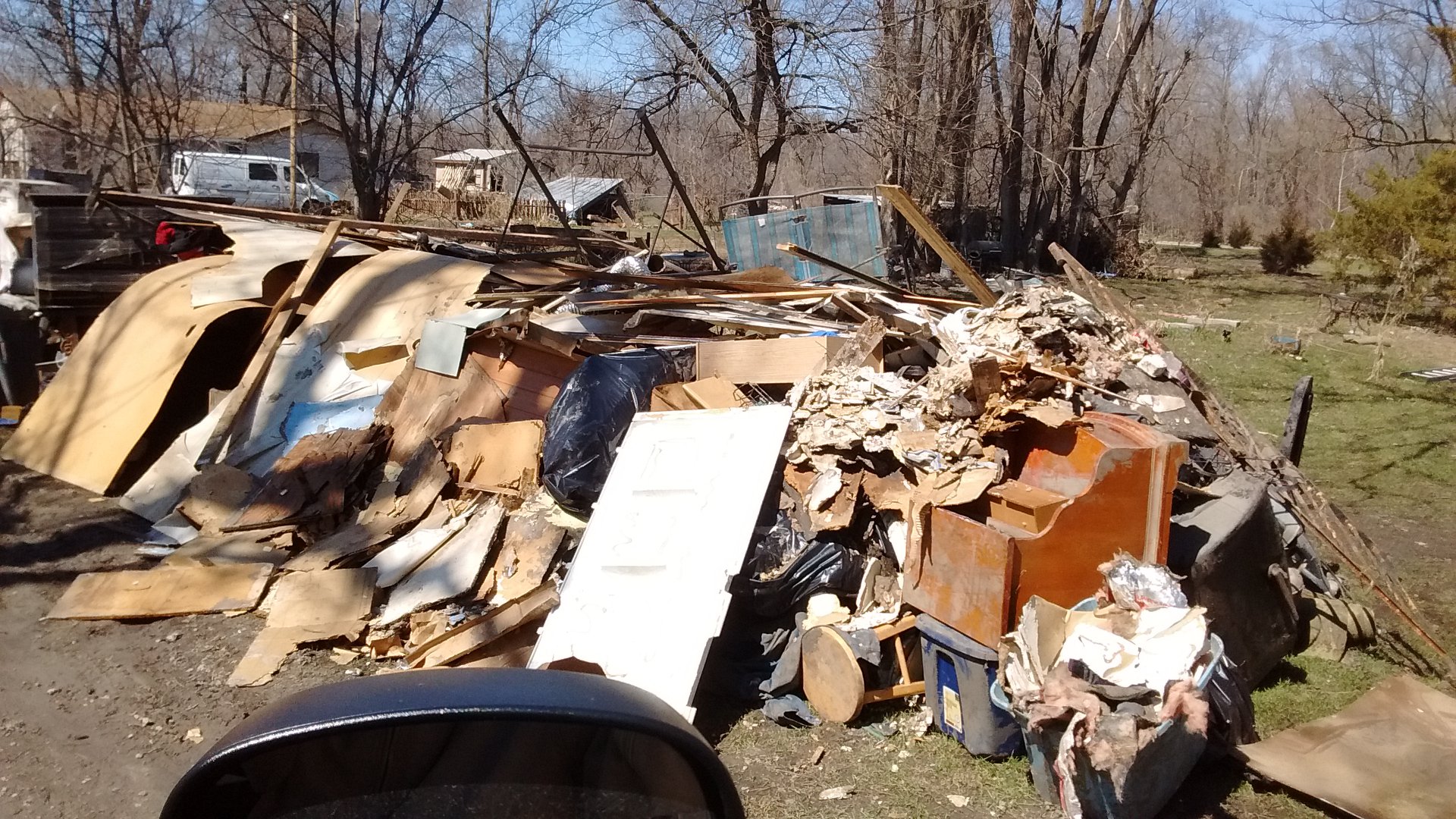
Serving communities in the flood zone has many physical and emotional challenges. You need to be prepared for what you will see and be aware of the dangers of working in these areas.
What Homes Look Like
Many of the communities we serve are waiting to hear if they will be able to rebuild. It’s not uncommon to see homes completely void of all interior belongings, keepsakes, furniture, carpeting and walls; piled in front of homes to be taken to the burn pile or trash. We ask all our volunteers to be sensitive to each homeowner’s situation and to refrain from taking unnecessary photos or watching the language we use when we are in these communities. Please try to understand how you would feel if everything you loved was washed away and you may not be able to return to your home.
Compassion Goes a Long Way
Many flood victims will want to tell you their stories to verbalize their experience. We encourage all our team members to listen compassionately and provide kind words of hope and encouragement. Some of our communities know our team members personally and welcome our warm hugs. If you are comfortable accepting and giving a hug, it is greatly appreciated. If you feel uncomfortable, it is your choice to engage or just listen.
Watch for Sharp Objects
It is very common to find pieces of metal protruding out of walls, floors, roads, homes and walkways. Tree limbs are everywhere. Sand and standing water also can hide sharp objects from sight. Always survey your surroundings (look up/look down) and where you are walking to avoid sharp objects at all times. This includes, broken glass, window fragments, barbed wire, scrap metal, broken objects, etc. Never walk through loose sand or standing water.
Tagged Homes
When you are walking these neighborhoods you will notice different tags posted on homes. Many of these tags are non occupancy notices posted by FEMA and/or local inspectors. If a home is red tagged, it means the home is dangerous and unsafe for habitation. Please refrain from entering homes that are red tagged. Some home have no power and utility boxes have been removed. It is not our policy to comment on the status of utility services, but simply to feed those in need and those volunteering with rebuilding.
Pets and Animals
Many homeowners lack proper fencing to keep their pets confined in their yards. If you are suspect of an animal or homeowner’s pet, it is best to not approach and to not create panic or cause an animal to protect its owner. Please do not approach stray animals, feed them, or try to rescue them while you are delivering meals.
Mental Health Red Flags
Please remember many of these families have experienced great losses. Some communities we serve have high poverty levels and some community members have challenges with substance addiction. If you are unsure, feel threatened or unsafe: DO NOT APPROACH someone. If you meet a community member who is unusually depressed or mentions anything about taking his/her own life: please record the home address and dial 911 to report the issue to the paramedics. Do not try to counsel or intervene with individuals if you are not a qualified mental health professional.
Standing Water Dangers
Many of the flood zones had standing water that tested positive for E coli. And water pockets left in communities are a health risk and must be avoided. Be mindful of areas where water was trapped (at the end of a road way, a pond, levee, etc.) and watch for green-colored stale water that smells sour. Never wade through standing water or wash in water (even if it smells or looks clean.) Always wash your hands (with hand sanitizer or clean water) and wear gloves when working in the field.
Burn Piles
Many communities have burn piles where trash and home furnishings are being disposed. It’s not unusual for these piles to have items burning that are toxic and explosive. In some communities, livestock and corn stalks are being burned. The smoke from a burn pile has an unusual odor and fires can pop and spark. These burn piles are volatile and unpredictable. For your own safety, never approach a burn pile or stand near or around one.
Social Media & Volunteering
It is our policy to not post negative photos, images of community members and their homes without their consent. Please refrain from posting shocking images of the status of homes in cleanup and the various stages of rebuilding. Please do not post images of community members crying or in compromising situations. Please refrain from posting comments or images of stressful interactions with relief organizations or first responders. We ask that you treat our communities with sensitivity and respect the privacy if all individuals and children.